Restored from a late 19th-century scientific plate, this vintage illustration depicts prehistoric flying reptiles, commonly known as “flying dragons,” or pterosaurs (Pterosauria), shown soaring and clinging to rocky cliffs in a dramatic aerial scene. Multiple forms are presented in flight and at rest, emphasizing elongated wings, slender bodies, and beak-like jaws as understood by Victorian paleontologists. Designed to evoke the appearance of an illustrated newspaper or popular science journal, the print incorporates original text reproduced from Extinct Monsters: A Popular Account of Some of the Larger Forms of Ancient Animal Life by Henry Neville Hutchinson, where these illustrations were first published in 1886. Carefully restored to preserve period typography, engraved shading, and atmospheric composition, this artwork blends early paleontological imagery with authentic historical text, resulting in a distinctive natural history print with a deliberate newspaper-style presentation.
Unframed Print
Size: A4 (297x210mm) | 9x12" (8.3x11.7")
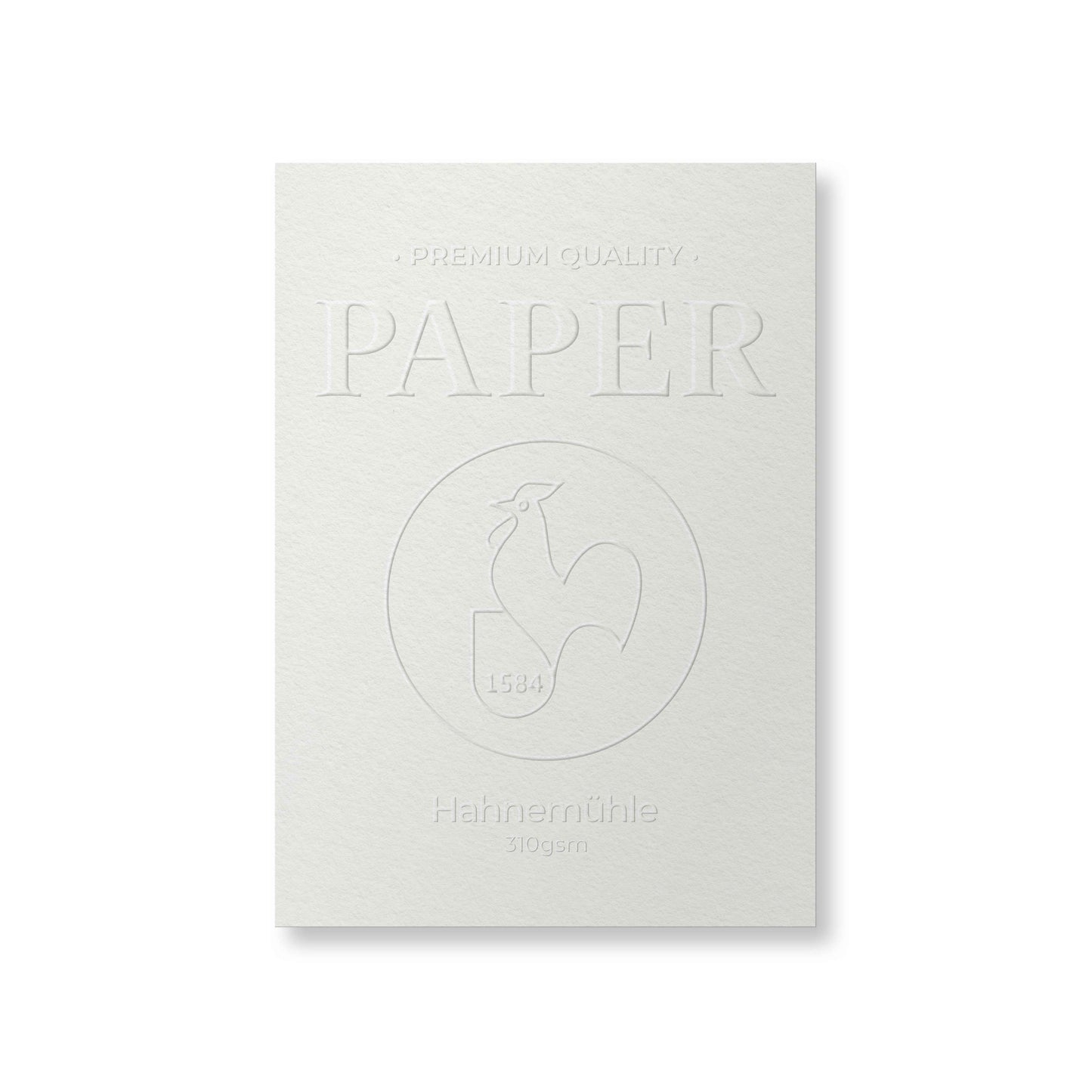
Material: Fine art Hahnemühle German Etching paper, 310 gsm — textured surface, warm/natural white, velvet matt finish
Printing technique: Museum-quality giclée with water-based pigment inks
Eco credentials
Water-based inks
Sustainably sourced paper
Local fulfilment to reduce carbon emissions
Plastic-free product
About the artist
Joseph Smit (1836–1929) was a Dutch natural history illustrator celebrated for his detailed and authoritative depictions of animals, both living and extinct. Working primarily in Britain, he produced engravings and lithographic plates for many leading 19th-century zoological and paleontological publications. His illustrations are noted for their clarity, anatomical care, and restrained artistry, helping to shape Victorian visual understandings of prehistoric life and the natural world.